01 Brand Core
Turning complexity into clarity
I want to design complex information, connections and digital experiences so that people can understand, interpret and use them more easily.
For me, the first step is understanding the task.
Visual craft is my foundation. Design gives it purpose.
02 Personal Manifesto
Visual craft is my foundation. Design gives it purpose
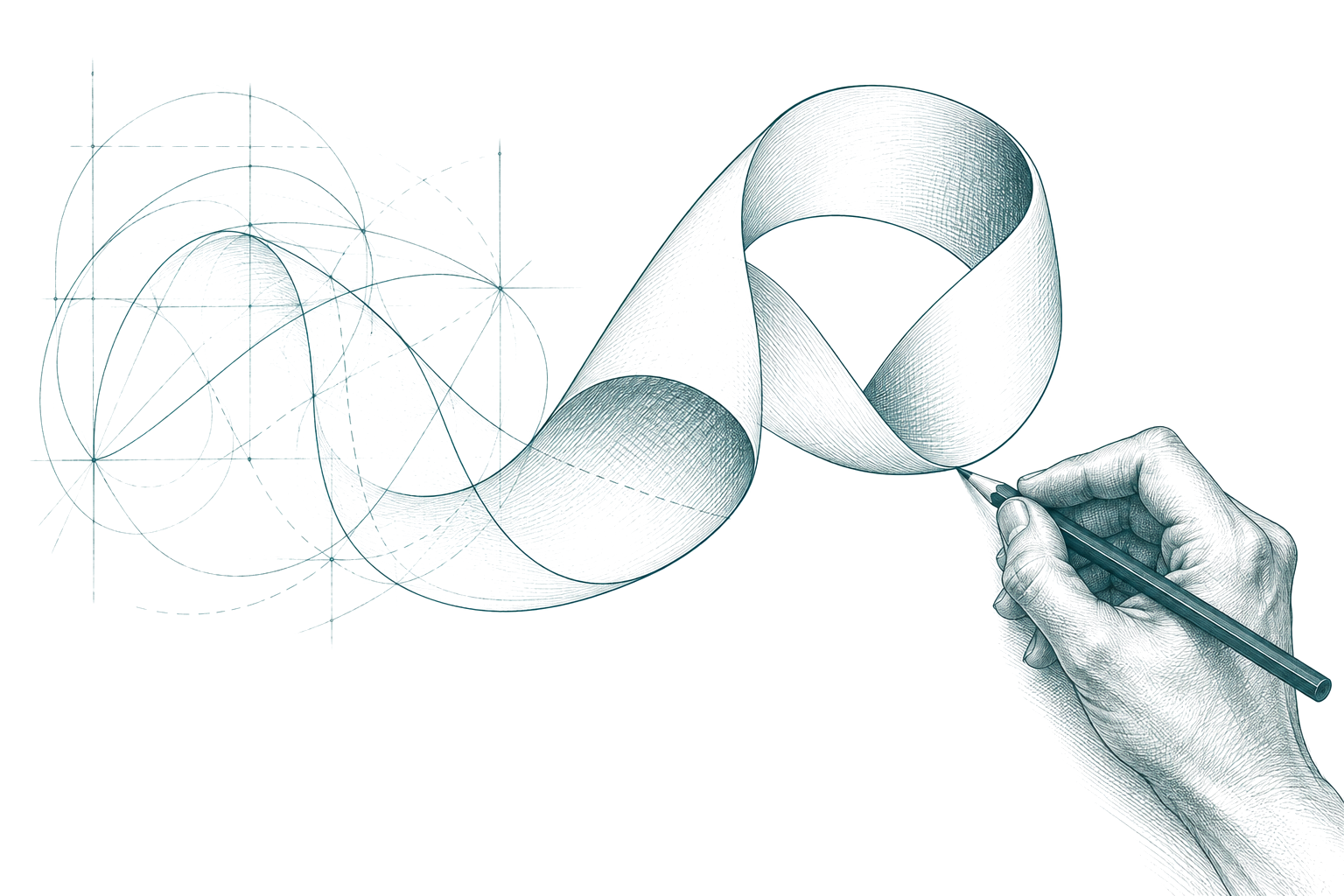
For me, visual craft means much more than aesthetics. It makes ideas visible, content understandable and messages tangible. Design takes this a step further: it uses those visual skills deliberately to solve a specific problem and achieve an intended effect.
That is why my work begins with questions, rather than colours, shapes or tools.
What do we want to achieve? Who are we designing for? What should people understand, feel or do? And what constraints do we need to consider?
Before developing solutions, I want to understand the connections. I listen, research, question and deliberately change perspective. The clearer the actual task becomes, the more effectively I can develop a good solution.
The right solution depends on the goal: attracting attention, providing orientation, making something easier to use or expressing a company’s identity.
The task sets the standard.
Sound visual craft is the foundation. Concepts and ideas build on it.
For me, creativity is not about being different at any cost. It begins where familiar solutions fall short and a new perspective can help. Sometimes that leads to a strong metaphor, sometimes an unexpected connection, and sometimes simply a better, clearer solution.
Good design can be beautiful. It can surprise, inspire and bring enjoyment. But aesthetics are part of the effect, rather than an end in themselves.
Professional design also means taking responsibility for my recommendations. I want to be able to explain why I believe a solution is right, while remaining open to better arguments.
The best results emerge where expertise is respected, different perspectives are welcomed and people can work together to find the strongest solution.
I want to make complexity easier to understand, provide orientation and improve access to information. And I want to help a company’s outward appearance credibly express what it stands for within.
When that happens and my work makes a tangible difference, I know:
The effort was worthwhile.
03 Design Philosophy
Design follows the task
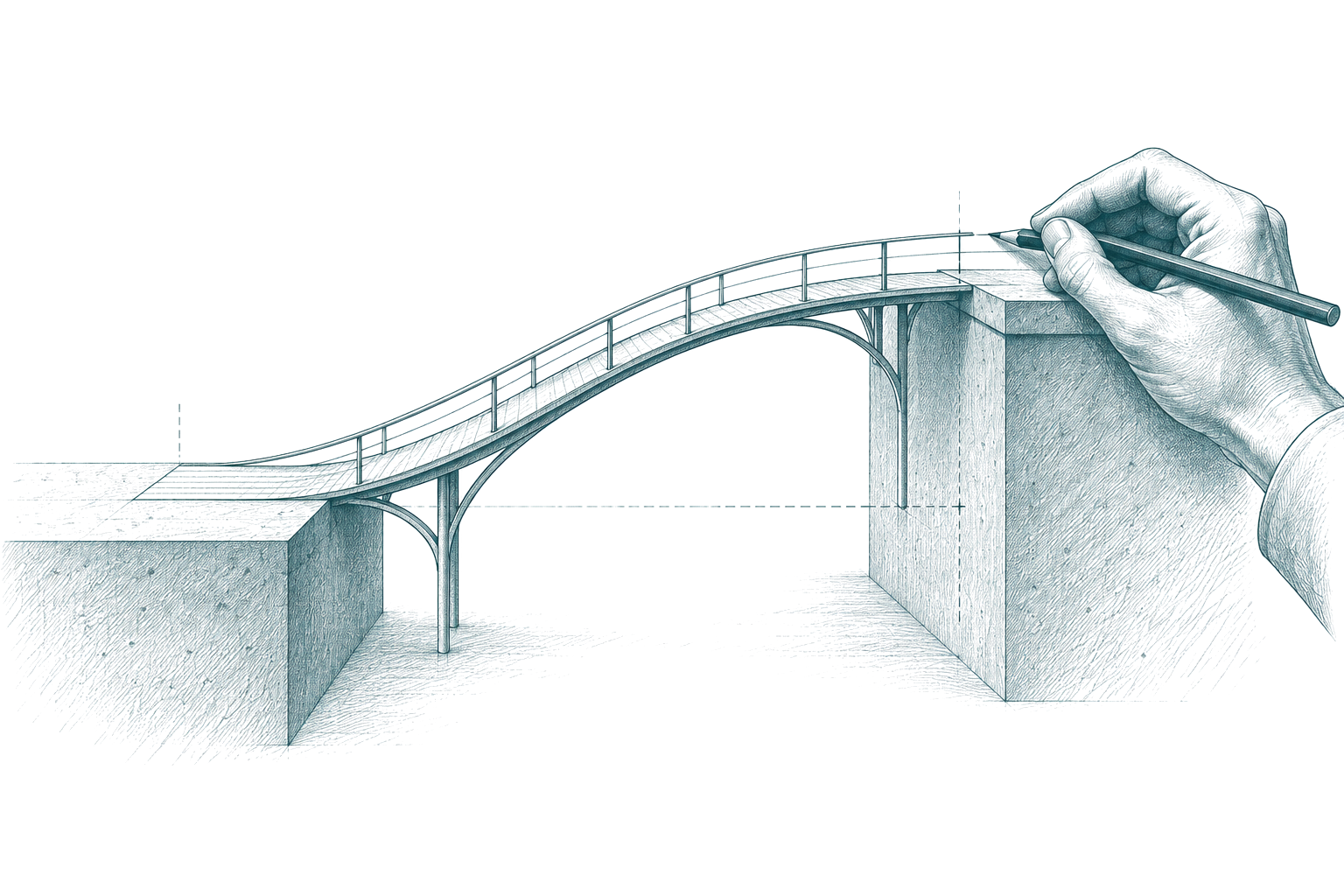
When assessing design, I first ask whether it fulfils its purpose. A campaign visual and a form can look completely different and still be equally well designed.
For me, good design develops from the inside out. It needs a solid foundation, a considered structure and an appropriate visual expression. Ultimately, it must be judged by its effect.
Foundation and craft
It starts with visual and technical expertise. Typography, colour, contrast, grids, composition, hierarchy and technical standards form the foundation. They ensure that a design works in practice as well as looking interesting. An attractive surface can only do so much to compensate for a weak foundation.
Structure and concept
The conceptual structure builds on this foundation. What needs to be communicated? To whom? In what context? Which information matters? How should it be prioritised and organised?
This is where a design brief opens up a range of possible solutions. The concept determines whether a design merely looks appealing or also has substance.
Façade and visual expression
Only then does the visible design take shape. Imagery, typography, colour, form, style and aesthetics give a solution its expression. This layer can be beautiful. It can evoke emotion, surprise and attract attention. But it should suit the task, the audience and the context.
As with a building, an impressive façade can reveal a good structure. It cannot replace one.
Effect and outcome
In the end, what matters is what the design achieves. Is the message understood? Does it provide orientation? Can people find their way intuitively? Does it attract attention? Is the organisation behind it recognisable? Does the design express the intended identity?
The answers differ with each task. An attention-grabbing campaign visual can be just as successful as an understated form that guides people smoothly through a process.
That is why I do not see impact as an extra step at the end of the design process. It is the standard against which earlier decisions are assessed.
Good design emerges when craft, concept and visual expression work together to achieve the intended effect.
04 Principles
Principles become visible when they shape decisions
For me, principles are not rigid rules. They guide me when making decisions, developing solutions or working with others.
They cover three areas: how I think about design, develop ideas and work with others.
Core Principles
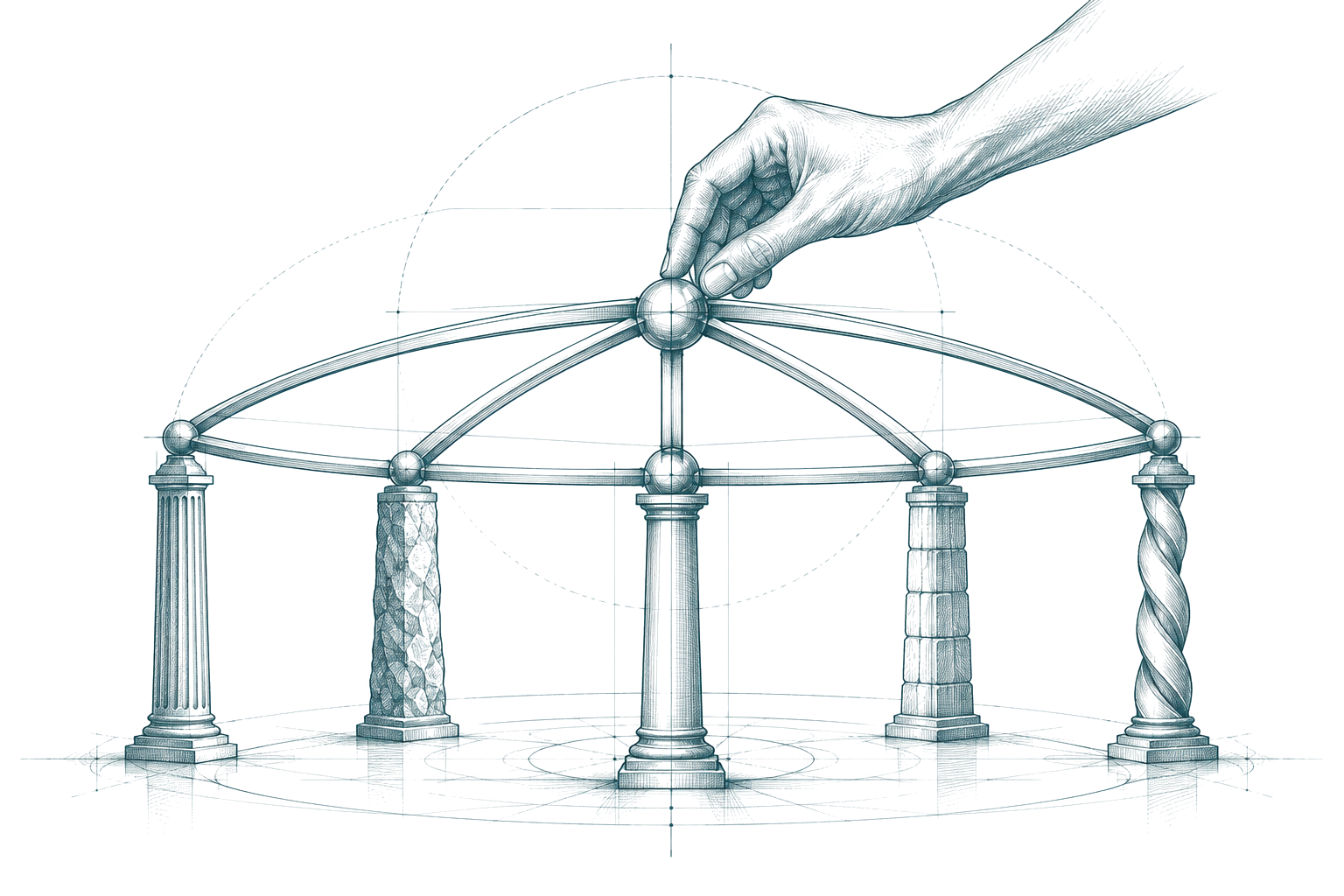
How I think about design.
Understanding comes before design
Before I design, I want to understand the real task: what needs to be achieved? In what context will the solution be used? What constraints shape it? Only on this basis can I design with purpose.
Good design provides orientation
Design structures, prioritises and guides. It helps people absorb information, recognise connections and find their way more easily.
Clarity is a design achievement
Good communication design does not happen by chance. It uses expertise, curiosity and empathy to make complex content understandable.
The audience gives design its direction
Good design responds to the people it is intended for: their needs, expectations and context.
The bait must appeal to the fish, not the angler.
The task sets the standard
Good design fits its purpose. It grows out of the task and must be judged by whether it achieves the intended effect.
Aesthetics and function go hand in hand
Good design should appeal, inspire and bring enjoyment. People are more likely to accept and enjoy using a solution when it works and feels coherent.
Design decisions need good reasons
Good design is the result of deliberate decisions. I want to explain why I recommend a solution, based on the task, audience, context and intended effect. Personal taste can play a role, but should not become the only criterion.
Good design is teamwork
Good design draws on different perspectives and skills. For me, teamwork means listening to each other, respecting expertise, discussing ideas openly and working together towards the strongest solution. What matters is what serves the result, rather than who wins the argument.
Creative Principles
How I develop ideas.
For me, creativity grows from interest, observation, knowledge and a willingness to discover unexpected connections.
Creativity begins with real interest
Good ideas come more easily when I engage fully with a subject. Real interest means asking questions, researching, looking closely and wanting to understand the connections. This opens up new perspectives and relationships from which unexpected ideas can develop.
New perspectives create new ideas
My best ideas often emerge when I look at a task from another angle. I seek connections, analogies and metaphors that make an abstract thought tangible and turn it into a visual idea.
Inspiration begins with open eyes
I find inspiration wherever something catches my attention: in design, everyday life, travel or other disciplines. I collect impressions, observe, compare and learn from both good and poor solutions. My aim is to understand why something works and use that understanding to develop something original and appropriate, rather than simply borrow an idea.
Creativity needs a framework
I do not see design principles, technical requirements and standards as enemies of creative freedom. They define the framework within which a solution must work. The creative challenge is to use that framework to create a compelling design, as well as meeting its requirements.
A visual identity is like a large orchestra. One instrument can take a solo, as long as the rest of the orchestra stays in time.
For me, consistency does not mean uniformity. A good design system must create recognition while allowing enough room for different tasks.
The best idea is often the simplest
Creativity is not about making a solution as complex or unusual as possible. Often, an idea’s strength lies in its simplicity. What matters is that it is clear, appropriate and effective.
Simplicity is not the absence of thought. It is often the result of it.
A good idea must speak for itself
A strong visual idea should work without a lengthy explanation. In a world full of information and visual stimuli, the central message needs to be grasped quickly. If an idea requires extensive explanation, I question whether it really fulfils its purpose.
Working Principles
How I work with others.
For me, professionalism and humanity belong together. These principles describe what I want to contribute to a good working relationship.
Trust creates responsibility
Trust means taking expertise seriously, allowing room to work and relying on people to carry out their responsibilities reliably and independently.
Collaboration needs mutual respect
Good collaboration develops where people respect each other, communicate openly and take different perspectives seriously. Hierarchy can define responsibility, but it should not determine which arguments are heard. Expertise matters more to me than position.
Communication creates shared understanding
Good collaboration needs open, fair and clear communication. Expectations, decisions and different perspectives should be stated clearly and be understandable. This creates a shared understanding and, with it, a foundation for trust and purposeful work.
Mistakes are part of good work
Mistakes are part of working together. What matters is how we respond: discuss them openly, understand the causes, take responsibility and find a solution together. Someone who makes a mistake should have the chance to help put it right and learn from it. The aim is to improve, rather than become perfect.
Professional conviction deserves a clear stance
I only want to recommend solutions I can stand behind professionally. Different views and alternatives are part of the process. Ultimately, however, I see it as my responsibility to make a clear recommendation, explain the reasoning behind it and stand by it.
Good solutions emerge through dialogue
I want to find the best solution together. Being personally right matters less. That means taking other arguments seriously and being willing to compromise. What matters is that a compromise serves the shared goal without sacrificing quality.
Different experiences broaden our perspective
I benefit from working with people whose experiences differ from mine. Different stages of life, ways of living, professional backgrounds and viewpoints help me question my own perspective, recognise blind spots and consider angles I might otherwise have missed.
Reliability builds trust
Good collaboration requires commitment. For me, this means taking responsibility for my promises, keeping agreements and doing my part so that others can continue their work reliably. When support is needed, being there for one another is part of the job.
Care and pace need balance
Good work does not have to be slow. But quality needs enough time for understanding, development and careful execution. Even under time pressure, I work pragmatically towards the goal. The key is to prioritise deliberately rather than put quality at risk through avoidable haste.
05 Professional Journey
How experience shaped my approach to work
My career has not followed a straight line. In hindsight, that was probably an advantage. Many experiences that initially seemed like detours became meaningful later. They have shaped how I think about design, handle responsibility and why learning remains part of my profession.
Not every detour stays a detour. Some experiences reveal their value later.
Finding my own path
I began my career with vocational training in banking. I completed it successfully but soon realised that I did not see my future there. Money and financial products were not subjects I felt naturally drawn to.
After my apprenticeship, I returned to school to gain my university entrance qualification. I did not yet have a clear plan for what would follow. Communication design interested me. To prepare for a degree in the subject, I spent a year at art school working on my application portfolio, with a strong focus on traditional drawing and painting.
My application was unsuccessful. That was disappointing, but it eventually led to an important insight: artistic talent and design ability are different things. I am not a traditional artist. My strength lies in understanding a task, developing ideas, structuring information and building an appropriate visual solution. At the time, I could not yet articulate that distinction so clearly.
I initially enrolled in business informatics, hoping that web development might give me a route into the creative sector. Alongside my studies, I worked in internal communications at Infineon. There, I saw a graphic designer’s work first-hand and realised that it interested me far more than my course.
I left business informatics and completed two semesters of multimedia production at SAE. An internship at the agency 3Salz finally turned design into my profession.
Design becomes a profession
The small, owner-managed agency 3Salz was my introduction to professional design practice. I worked directly with clients early on and learned to navigate requests, budgets, deadlines and sometimes very unfiltered feedback. Mistakes had consequences. This closeness to clients taught me a great deal: I had to take responsibility and assess my work from other people’s perspectives.
For internal pitches, we often developed several proposals. My concepts were selected relatively often. We would also usually present a particularly unusual or “wild” design to demonstrate creativity. Those proposals were almost never chosen. This began to shape a principle that still guides me today:
Creativity is not an end in itself. An idea is good because it fits the task, not because it is especially unusual.
This period also shaped my technical skills. I experienced the move from QuarkXPress to InDesign and helped introduce new ways of working. After a few years, I wanted a change, even though I did not yet know exactly where it would lead.
Growing through complexity
In 2008, I joined Wealthcap. I moved from a small agency into a regulated financial company with complex products, compliance requirements, hierarchies and extensive approval processes. I approached the new role with little awareness of what it would involve. I was eager to design and had to learn how much more this environment required of me.
Starting as a desktop publisher, I gradually took on more responsibility. The internal graphics team became smaller until I was the last remaining graphic designer, handling a large share of the design work for sales and product communications. As responsibility grew, so did the workload.
For a while, I believed that better organisation was the main answer. A time-management seminar led to a surprisingly simple insight:
Not every capacity problem is an organisational problem. Sometimes there is simply too much work.
That insight helped me assess the situation more realistically. Although the circumstances initially changed little, my response developed over time. I became calmer and more resilient, learning to remain effective under pressure.
Even so, resilience does not mean enduring unlimited strain. It helps me put difficulties into perspective, regain stability after demanding periods and take my own limits seriously.
From execution to shaping the solution
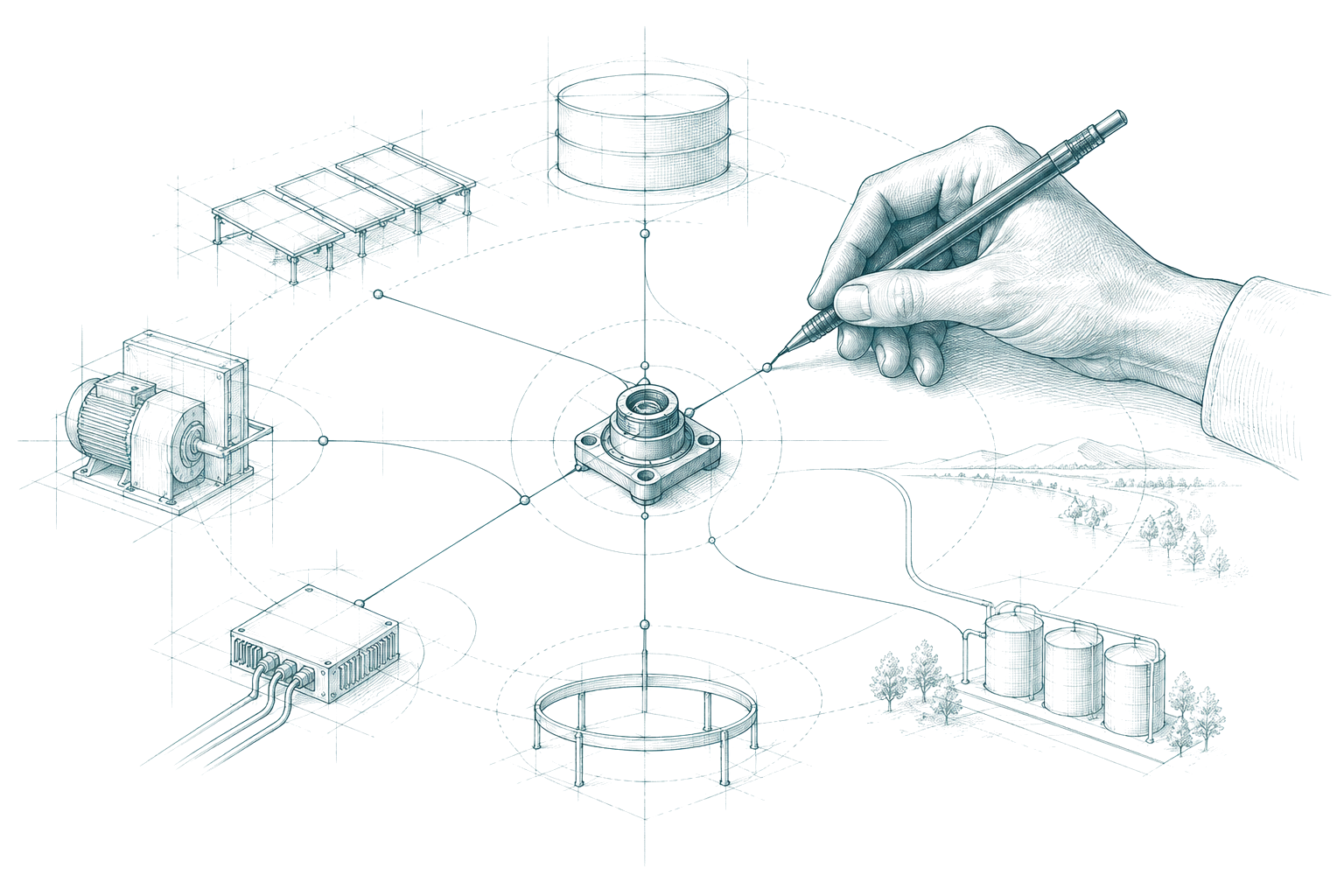
My role changed considerably over the years. Initially, I carried out tasks and briefs. Later, I increasingly helped define what the right task actually was. Some routine work was assigned to agencies, while my focus shifted towards concept development, coordination and advice.
Working with Market Research was particularly influential. Topics such as office property, private equity and economic developments were often complex and initially offered little visual material. I presented figures and connections in ways that made them easier and quicker to understand.
To do that, I first had to understand what needed to be shown. I developed initial visualisations, discussed them with subject-matter experts, corrected my understanding and refined the design. The draft itself became a tool for thinking.
This experience strongly shaped my current positioning: turning complexity into clarity. In a regulated environment, however, that does not mean simply removing complexity. Risk warnings, mandatory disclosures and legal requirements had to remain complete and accurate. The task was to provide orientation within that complexity.
Visual identity as a system
During the 2019 rebrand, I worked closely with the agency responsible. I supported the evolution of the logo, imagery and photo shoots, and the implementation of the new identity across different media. I saw how well internal experience and external distance complement each other: the agency brings fresh perspectives, while the in-house designer knows the organisation, its media and everyday challenges.
At the same time, it became clear that a design system must remain adaptable. One of the chosen typefaces did not work convincingly on the web and was replaced there. Consistency mattered, but could not come at the expense of function.
For the 2023 refresh, I was much more involved in the conceptual work. The existing corporate colour, red, prompted an intensive discussion. In a financial context, I increasingly felt it was problematic to use the same colour both for the brand and for warnings or negative values. After a long and demanding discussion, my professionally reasoned recommendation to change the primary colour was accepted.
Taking a professional stance does not mean being inflexible. But a recommendation loses its value if you cannot stand behind it.
Learning as part of the job
My responsibilities kept expanding. Alongside print and web came exhibition stands, events, presentations, photo shoots, data visualisation, motion graphics, digital sales materials, a film studio and spatial design.
Usually, a new area began with a task that required something I could not yet do. So I learned about it. A short course in motion design did not make me a specialist, of course. But I could handle simple tasks myself, such as editing sequences from existing footage or producing short explanatory pieces.
For some tasks, that made more financial and organisational sense than commissioning and extensively briefing an agency. For others, a specialist remained the better choice. Knowing when my own skills are sufficient and when additional expertise is needed is part of professionalism.
This established a pattern that still guides me: understand a new requirement, learn, experiment and integrate what I have learned into my work.
Responsibility in a new light
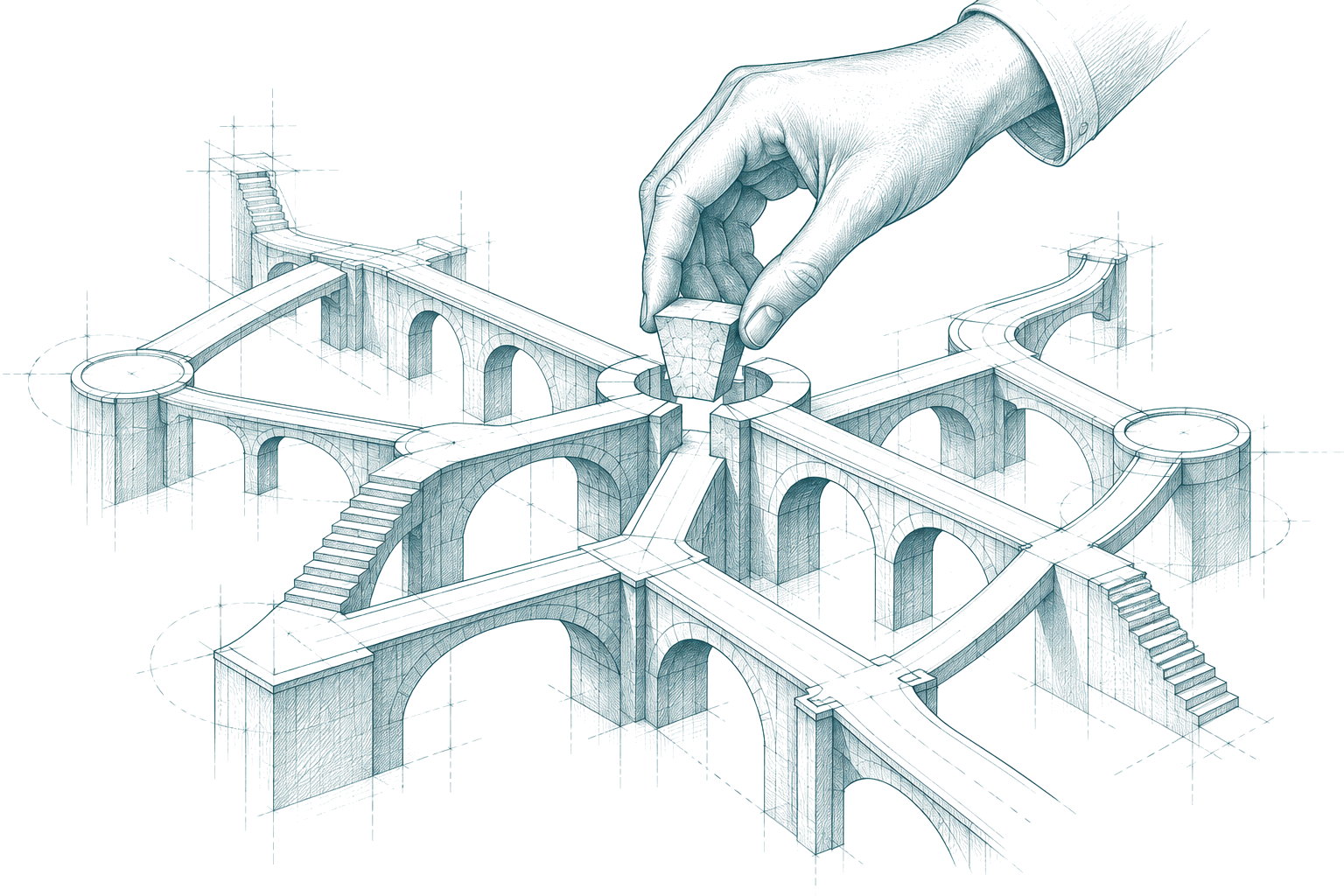
With the pandemic, many products, sales activities, events and trade fairs came to an abrupt halt. At the same time, Wealthcap entered a prolonged period of economic difficulty. Budgets were cut, teams became smaller and long-standing colleagues left. They included people I had worked closely with for many years.
After periods of very high pressure, I increasingly experienced the opposite: too little work, too little prospect of change and too few tasks that needed my experience. The shift from near-overload to being seriously underused was unsettling. Even so, this period produced one of the projects I look back on most fondly.
Rethinking the intranet
In 2025, the existing intranet needed to be replaced for technical reasons. My new manager gave me an unusual degree of responsibility. He wanted to stay informed without making every decision himself. After years of extensive approval processes, that trust felt liberating.
I worked with IT, an external SharePoint agency and a working student. Technology was only part of the task. The information architecture had accumulated redundancies and outdated structures. In many areas, we effectively started from a blank page: assessing, reorganising and migrating content, shifting more ownership to the relevant departments and training future authors.
The design also called for pragmatic decisions. I deliberately chose not to integrate the corporate typefaces into SharePoint through a technically complex process, because the effort and ongoing maintenance seemed disproportionate to the benefit.
Sometimes doing less visual customisation is the more professional design decision.
The project showed me how far my work had moved beyond designing individual materials. Information architecture, user focus, coordination, decision-making and knowledge transfer were all part of it. Training the authors mattered to me personally, too: I do not automatically seek the spotlight, but I can step into it when responsibility requires it.
Moving on and developing further
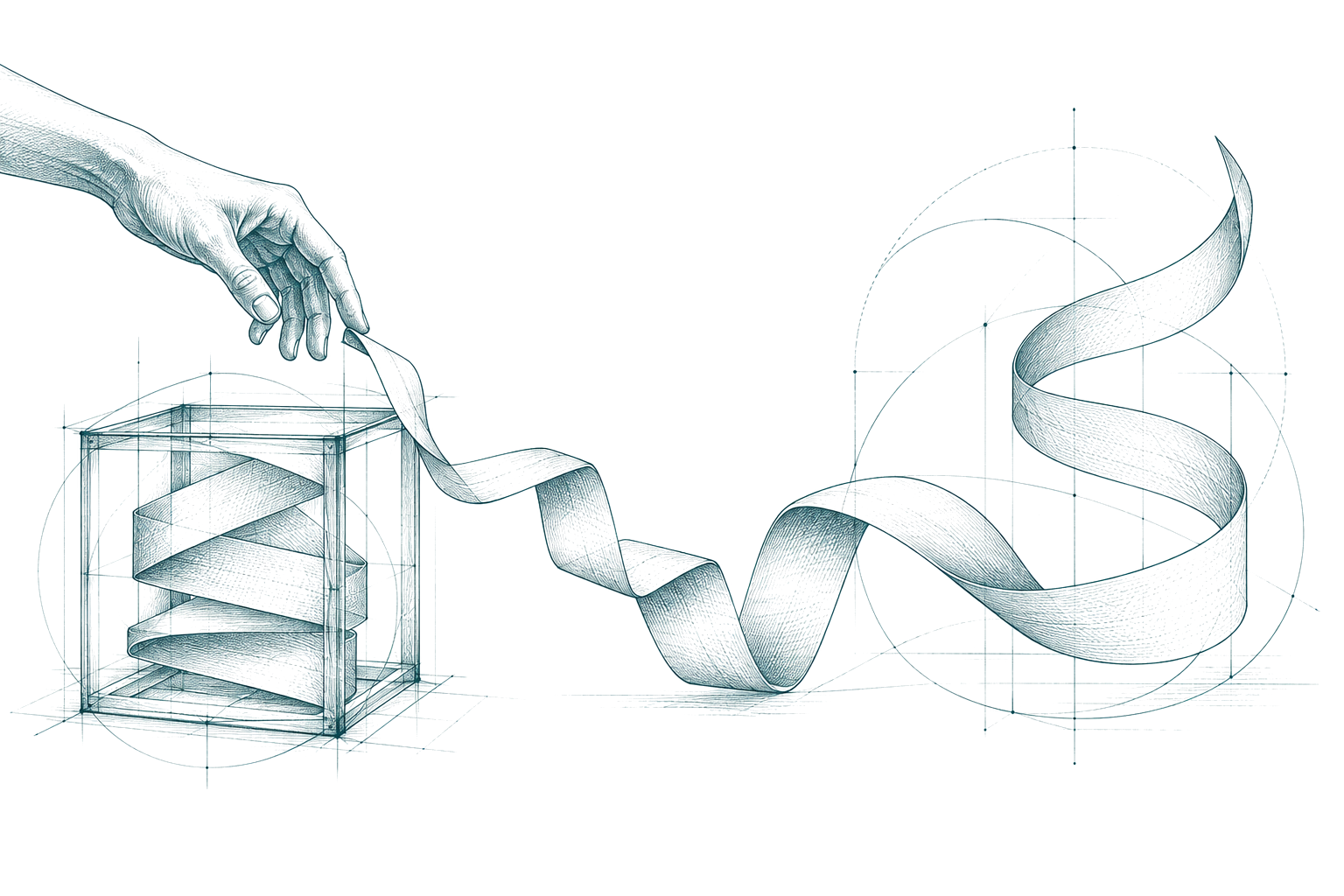
The intranet project did not change the company’s underlying situation. The final eighteen months to two years were increasingly shaped by cost cuts, departures and a lack of prospects. Eventually, after seventeen years, I chose to leave Wealthcap voluntarily under a severance offer. I cannot say with absolute certainty today whether that was the right decision in hindsight. Nor do I want to rewrite it as a perfect career story.
Wealthcap was much more than an employer. I experienced both excessive pressure and too little challenge, great creative freedom and lengthy approval processes. Colleagues became friends; other working relationships were difficult. There was frustration, success, uncertainty and a great deal of shared laughter.
Above all, I kept learning. I arrived as a junior designer in a complex organisation and left calmer, more experienced and clearer about how I want to work. That time shaped me deeply, both professionally and personally, and played a major part in making me the designer I am today.
Translating experience into something new
After leaving, I did not want simply to continue my previous career unchanged. I had long been interested in why some digital products feel intuitive while others make people struggle with the interface. Where should I click? What happens next? Has the system understood my input? Why does a feature have a name nobody would think to search for?
At work, I had seen internal digital tools with perfectly reasonable objectives struggle to gain acceptance because using them was too complicated or time-consuming. A product can be sound in principle and technically functional. If people do not want to use it, it still has a problem.
From intuition to method
That is why I completed intensive training in UX/UI design. Much of it felt surprisingly familiar: visual hierarchy, orientation, audiences, information architecture, clarity and consistency. What was new was primarily the methodological toolkit and precise terminology.
Research, user flows, journey maps, testing, design systems and accessibility gave structure to things I had often considered intuitively. I would sum up the experience like this:
Intuition became expertise I could explain and justify.
Today, I can explain more precisely why a design works or might not work. I also understand more clearly how a framework can give creativity direction.
Understanding AI rather than ignoring it
I am experiencing the next major change in my profession right now. Artificial intelligence is changing how we create text, images and video, conduct research and approach creative work. It quickly became clear to me that AI is here to stay. I wanted to understand it, so I completed training focused on AI for content, design and visual marketing.
Working intensively with AI made it less mysterious to me. It revealed the capabilities of the tools, while also showing how important professional judgement, context and design experience remain.
My workflow is already changing. Research once might have started on Pinterest or with early sketches in Photoshop and Illustrator. Today, a conversation with AI can begin at the briefing stage: framing questions, structuring information, discussing ideas, developing alternatives and creating initial visuals. I then assess the results critically, select what is useful and develop it further with traditional tools. For me, this extends the experience I already have.
What remains
I have always developed when the demands of my work changed. Sometimes by choice, sometimes out of necessity, and sometimes through a detour whose value only became clear years later.
I do not know what my profession will look like in ten years. Tools, processes and roles may change considerably. I want to remain curious enough to understand those changes, keep learning and apply my experience to new tasks.
06 My Contribution / My Impact
Quiet, yet visible
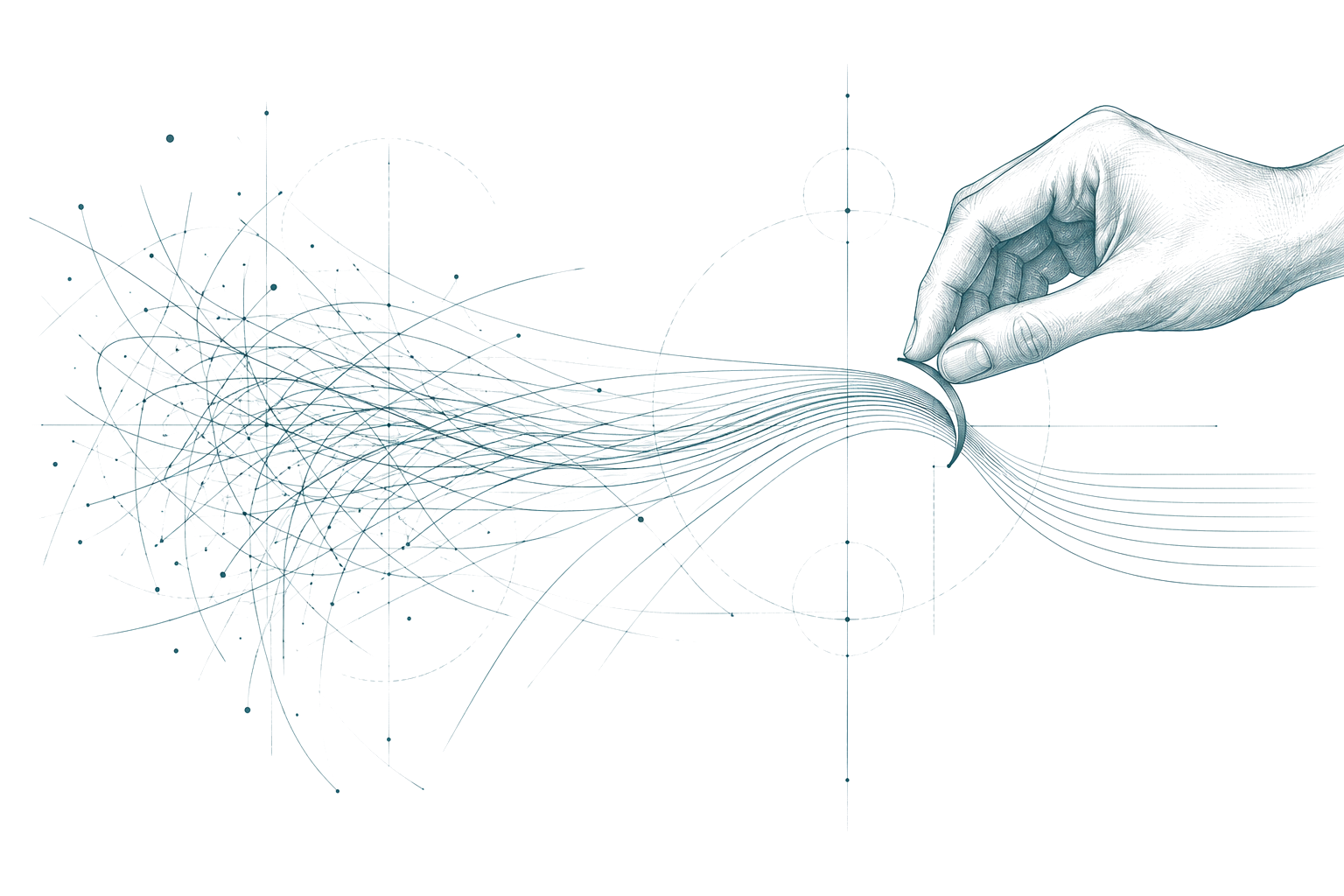
I want to leave a mark by making something work better than before: a more professional brand presence, a design system that makes colleagues’ work easier, or an application that helps people understand what to do more quickly.
For me, the value of my work also lies in what it enables others to do.
Making a visible difference
Presentations, websites, sales materials, exhibition stands and digital applications shape people’s impression of a company. They should look professional and credibly communicate what the organisation, its products and services stand for.
My aim is not to impose a personal visual signature on the company. Good design should strengthen the organisation behind it.
It would be particularly rewarding if, after a redesign of the company’s public presence, colleagues regularly received positive feedback at trade fairs and other external events. That would make its effect visible beyond the design community.
Embedding design in the organisation
A professional presence needs consistency beyond individual initiatives. I want to create structures that make good design easier and more reliable in everyday work.
Templates, components and guidelines can help colleagues without design training create professional presentations and documents. A functioning design system provides orientation and reduces unnecessary effort.
For guidelines to help, people need to understand their value. If my explanation helps a colleague recognise the impact of a professional appearance and see design guidelines as support, I would consider that just as successful as a well-designed result. Good design should depend as little as possible on chance or, in the long term, on a single person.
Thinking ahead and enabling others
I want to contribute my experience early, wherever a design, conceptual or user-centred perspective can improve a solution. That might be a communications project, an internal application or a process in which people interact with information and interfaces.
Even without being an expert in the underlying process, I can ask useful questions from a user’s perspective: do I understand what is expected of me? Can I find the relevant feature? Is the next step clear? Do I receive understandable feedback?
I respect the limits of my expertise. Where others know more, I do not need to offer an opinion of my own. Where my perspective adds value, I am happy to contribute.
Through advice, feedback, guidelines, examples and training, I want to make design more understandable and accessible within the organisation.
I want to help others achieve better results themselves.
Collaboration worth remembering
If I were to leave a team after several years, one of the nicest things anyone could say would be: “Working with Martin was enjoyable.”
I mean a working relationship that combines high professional standards with a positive atmosphere. We should be able to disagree, learn from each other and rely on commitments. Personal conversation and shared laughter are part of that for me.
This applies equally to colleagues, external partners and service providers. Ideally, people enjoy working together and achieve a result they can all be proud of.
Leaving a mark
When I look back on my work, I want to see that something has developed: the public-facing identity, the systems and the understanding of design. I want my perspective to have contributed to better solutions and for people to have enjoyed working with me.
Then I would have achieved what professional impact means to me:
I have left my mark. Quietly. But visibly.
07 Ideal Working Environment
Trust creates room for good work
I work best in an environment that gives me responsibility and the freedom to fulfil it independently. Clear goals, expectations and roles help me prioritise and put decisions into context. Within that framework, I want the freedom to find my own route to a good result.
Professional discussion, feedback and shared decisions are part of that. Constant supervision and unnecessary rounds of approval rarely help me do better work.
Flexibility with purpose
For me, that trust includes a contemporary approach to working hours and location. Personal contact with colleagues matters. Spontaneous conversations and a shared coffee contribute to collaboration just as professional discussions do.
However, I do not believe good collaboration always requires sharing a physical location. Conversations can happen in person or by video, and with the right tools, workshops can also work well online. Focused individual work is sometimes easier at home than in a busy office.
The place of work should therefore follow the needs of the task. When meeting in person is useful, an event is taking place or a task requires my presence, I am happy to be on site. I find fixed office days less convincing when their main justification is simply being present on particular weekdays.
For me, flexibility means being able to organise working hours and location responsibly so that they suit the task, the collaboration and my life.
Professional exchange as equals
Even after many years of professional experience, I want people around me whom I can learn from. I value colleagues in design and related disciplines with whom I can discuss ideas, question solutions and talk shop in depth.
Different specialisms open up new perspectives. I do not need to match a dedicated specialist in every area, and I appreciate it when others have deeper expertise in particular subjects.
Different strengths make a team better.
Breadth with professional depth
I have found the variety in my work enriching. Visual identity, digital applications, data visualisation, presentations, events and motion graphics all make different demands. That variety keeps my work interesting.
A role permanently limited to a very narrow slice of design would suit me less well. Quality and detail matter to me, but I want to keep sight of how they relate to the actual task.
Whether an icon should look slightly different or a corner radius should change can matter in the right context. If those decisions became the main substance of my daily work, it would probably not be the right environment for me. I am interested in how the parts work together and the result they achieve.
An interesting challenge matters
I do not need to work for a brand whose products I would buy myself to feel enthusiastic about my work. Even an apparently dry subject can offer compelling design challenges.
Perhaps complex information needs to be visualised clearly. Perhaps an event needs a visual idea, a site map needs to help people find their way, or a digital application needs to become easier to use. My work often extends beyond the product itself.
An industry’s public image matters less to me than the task it offers. I am drawn to opportunities to understand connections, structure content, design and improve something.
Professionalism needs humanity
Alongside the professional conditions, I care about the people I work with and how we treat one another. I want an environment where people speak openly, listen and accept differing opinions. Professional arguments should carry weight regardless of hierarchy.
I want to know colleagues as people: to work and debate together, but also to talk and laugh. Work can be demanding, tiring and sometimes contentious. Respect, trust and a degree of ease should remain.
My ideal workplace does not need to be perfect. What matters is that I can take responsibility and contribute, and that good work goes hand in hand with good working relationships.
08 Closing Note
The person behind the career
A CV shows what I have done. References show how others experienced and assessed my work.
This brand book aims to add something different:
How do I think? How do I work? What matters to me?
If these pages give a clearer picture of who I am as a person and a potential colleague, this book has served its purpose.
Perhaps my way of thinking and working is a strong fit for what a company needs. Perhaps it is not. Finding out either way is valuable.
For me, good collaboration begins with an honest picture of what both sides can expect from each other, even before the first day of work.
And if the final page leaves questions worth discussing, perhaps that is a good beginning.